Cart
0
1. Color Psychology: The Hidden Language of Your Home
Colors speak louder than most people realize. They can energize a room, calm anxiety, boost creativity, or even improve concentration.
Soft blues and greens are known for their calming effects, making them ideal for bedrooms and reading spaces. Warm neutrals create comfort and coziness, while yellow tones can stimulate positivity and creativity. On the flip side, overly dark or cluttered color schemes may increase feelings of stress or heaviness.
According to research from the University of Texas, certain shades of blue and green can improve focus and efficiency in workspaces. That’s why many productive home offices incorporate muted, natural tones.
Interior designer Nate Berkus once said, “Your home should tell the story of who you are and be a collection of what you love.”
The takeaway? Choose colors intentionally instead of simply following trends.
Practical Tip:
Use calming tones like beige, sage green, or soft white in areas where you relax, and introduce energizing accent colors in creative or work-focused spaces.
2. Clutter Creates Mental Noise
Here’s the thing — clutter doesn’t just fill a room; it fills your mind too.
A disorganized space can quietly increase stress levels, reduce concentration, and make it harder to relax. Researchers at Princeton University found that physical clutter competes for your attention, reducing your ability to focus and process information effectively.
Minimalism isn’t about owning less for the sake of aesthetics. It’s about creating breathing room mentally and emotionally.
That doesn’t mean your home should feel cold or empty. The goal is balance: meaningful décor, organized storage, and intentional design choices that create calm instead of chaos.
Practical Tip:
Try the “one surface reset” rule. Clear and style just one area — like your coffee table or nightstand — to instantly make the room feel lighter and more peaceful.
3. Lighting Impacts Mood More Than You Think
Lighting can completely change the emotional atmosphere of a space.
Natural light has been scientifically linked to improved mood, better sleep, and increased productivity. Dark rooms, meanwhile, can contribute to fatigue and low energy.
If your space lacks sunlight, layered lighting can help recreate warmth and balance. Combining floor lamps, table lamps, pendant lights, and candles creates depth and comfort.
Warm lighting tends to create relaxation, while cool lighting works better for focused tasks and productivity.
Celebrity designer Joanna Gaines once said, “The most important thing? Your home should feel like you.”
And lighting plays a huge role in creating that feeling.
Practical Tip:
Place mirrors strategically near windows to reflect natural light and make smaller rooms feel brighter and more open.
4. Texture and Comfort Influence Emotional Well-Being
Comfort isn’t just physical — it’s psychological.
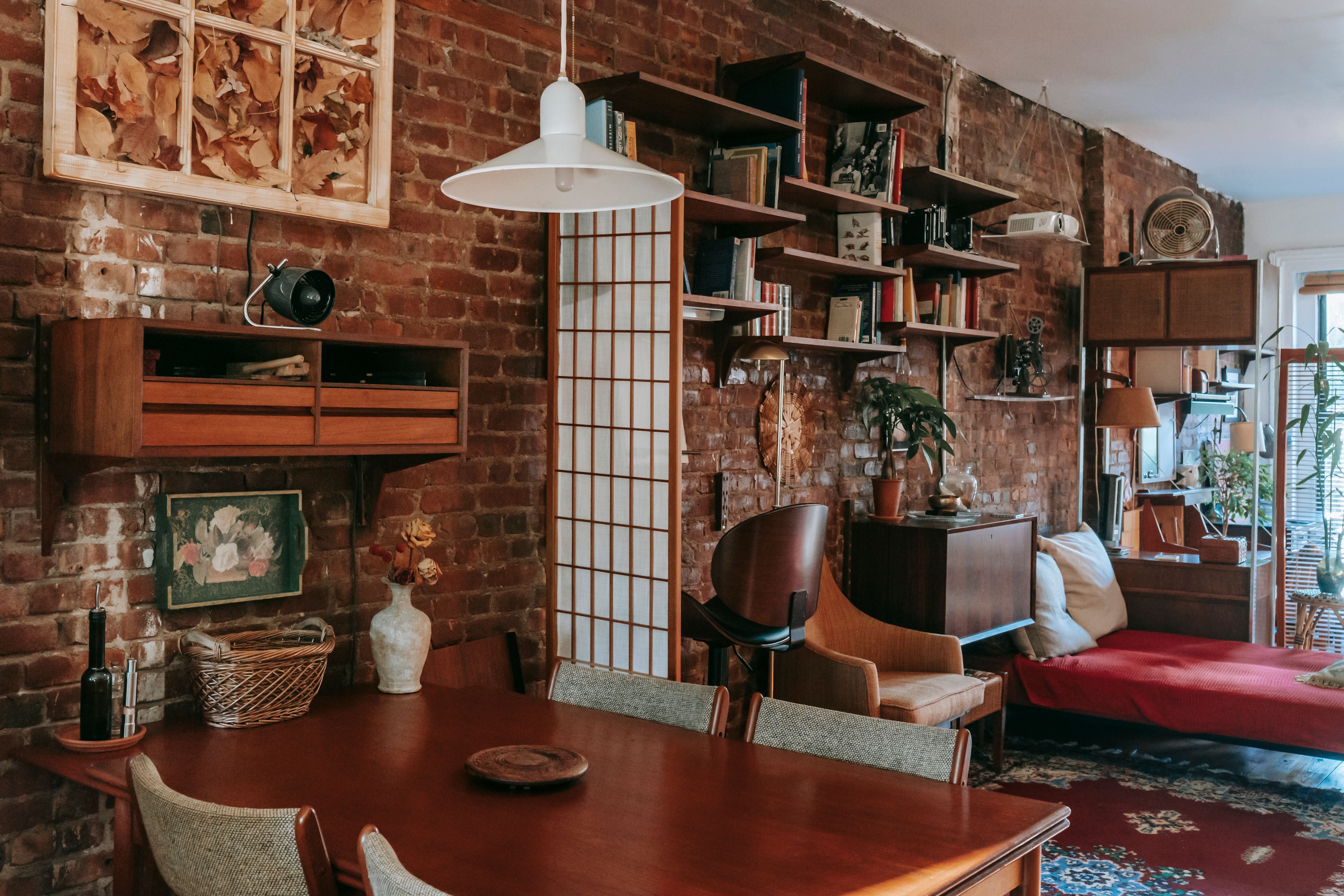
Soft throws, woven rugs, linen curtains, velvet cushions, and natural wood textures help create a sense of warmth and emotional safety. Texture adds personality and depth while making spaces feel more inviting.
A home filled with hard surfaces and sterile décor can unintentionally feel emotionally distant. Layering textures helps soften the environment and encourages relaxation.
Studies in environmental psychology suggest that tactile comfort contributes to reduced stress and improved emotional regulation.
In simple terms? Cozy spaces help people feel emotionally grounded.
Practical Tip:
Mix at least three textures in every room — for example, wood, fabric, and metal — to create visual warmth and balance.
5. Personalization Creates Emotional Connection
The most beautiful homes aren’t always the most expensive ones. They’re the ones that feel personal.
Family photos, travel souvenirs, artwork, books, and sentimental pieces create emotional anchors within a space. Personalized décor helps transform a house into a home.
When your surroundings reflect your identity, values, and memories, you naturally feel more connected and comfortable in your environment.
That emotional connection can reduce stress and increase feelings of stability and happiness.
Practical Tip:
Decorate with items that genuinely mean something to you instead of filling spaces just to follow design trends.
6. Productive Spaces Start with Intentional Design
Working from home has changed how people think about interior design.
Your environment can either support focus or constantly distract you. A thoughtfully designed workspace improves concentration, motivation, and workflow.
Simple upgrades like ergonomic seating, organized shelving, calming colors, and proper lighting can dramatically improve productivity levels.
Research from Harvard Business Review has shown that employees working in thoughtfully designed environments often report higher engagement and better overall performance.
The key is creating separation between “work mode” and “rest mode,” even within the same home.
Practical Tip:
Create a dedicated workspace with minimal distractions, supportive lighting, and décor that inspires focus without overwhelming the senses.
Final Thoughts
Your home affects more than just appearances — it shapes your emotions, habits, energy, and mindset every single day.
The good news? You don’t need a complete renovation to transform the way your space feels. Small intentional changes — calming colors, better lighting, cozy textures, and clutter-free surfaces — can make a remarkable difference in your mood and productivity.
At the end of the day, great home décor isn’t about perfection. It’s about creating a space that supports your lifestyle, reflects your personality, and helps you feel your best.
Because when your environment feels good, life tends to feel a little better too.