Cart
0
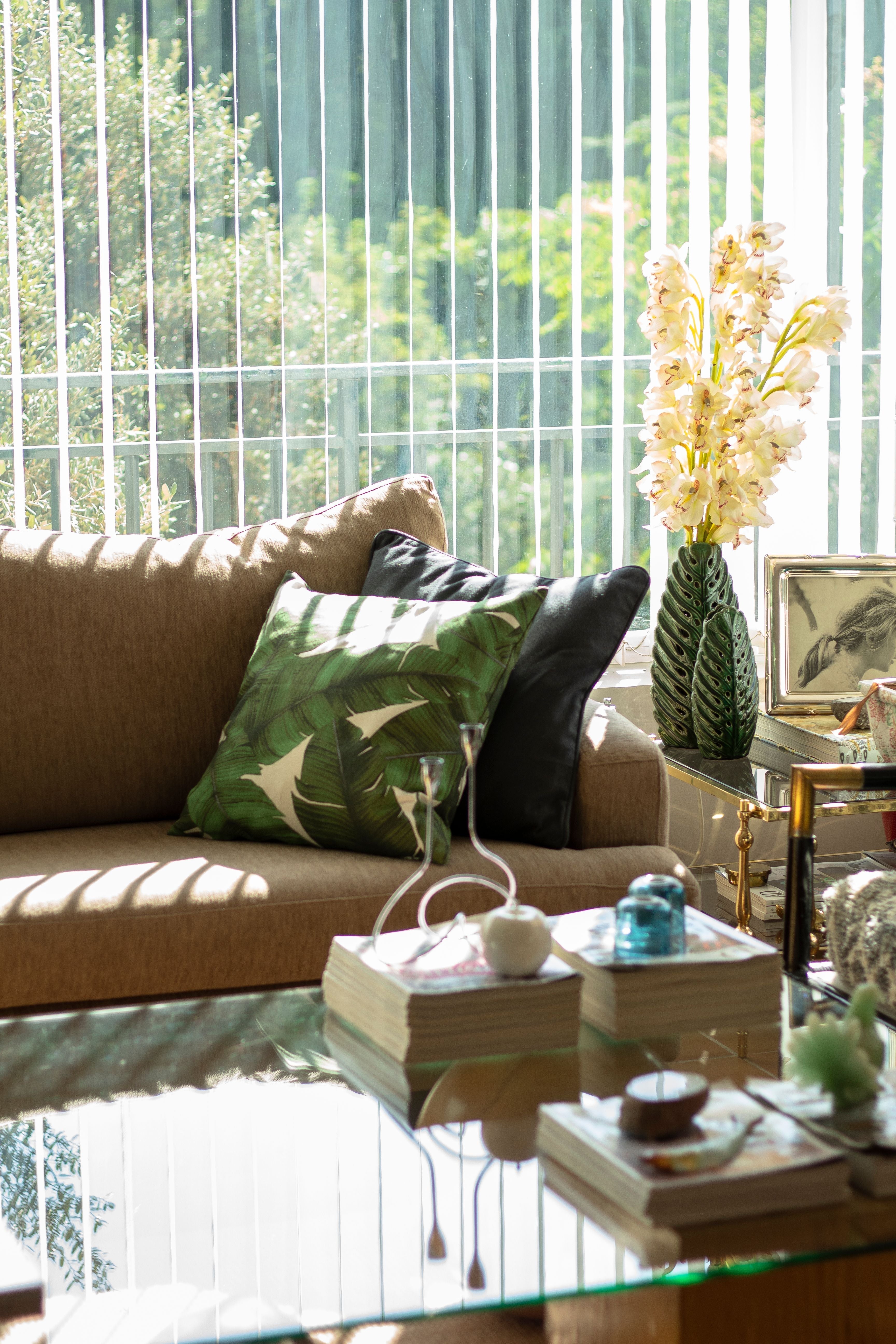
Ever notice how some homes instantly make you feel calm, cozy, and happy the second you walk through the door? Meanwhile, other spaces leave you feeling drained without you even realizing why.
The truth is, your home quietly shapes your mood every single day. It’s like the background music of your life — subtle, but powerful. The colors around you, the lighting in your rooms, and even the way your furniture is arranged can affect your stress levels, productivity, and emotional well-being.
The good news? You don’t need a massive renovation or a celebrity-sized budget to create a happier home. Sometimes, the smallest décor changes make the biggest emotional impact.
Here are 10 simple home décor upgrades that can instantly lift your mood and transform your space into a place you truly love coming home to.
1. Bring Natural Light Into Every Corner
Nothing changes the atmosphere of a room faster than lighting.
Natural sunlight has been linked to improved mood, better sleep, and increased energy levels. Dark spaces often feel smaller, heavier, and more stressful, while bright rooms naturally feel open and welcoming.
If your home lacks natural light, strategically placing mirrors can help reflect sunlight throughout the room. Sheer curtains also allow more daylight to flow inside without sacrificing privacy.
Interior designer Kelly Wearstler once said, “Light is everything in design.”
Practical Tip:
Place a mirror opposite a window to instantly brighten the room and make the space feel larger.
2. Add Cozy Textures for Instant Comfort
A room without texture can feel flat and emotionally cold.
Soft blankets, woven rugs, velvet pillows, linen curtains, and natural wood accents create warmth and comfort that people subconsciously respond to. Texture adds depth and helps spaces feel lived-in rather than sterile.
According to environmental psychology studies, tactile comfort can reduce stress and encourage relaxation.
Practical Tip:
Layer at least two or three textures in every room for a cozy, welcoming atmosphere.
3. Declutter One Space at a Time
Clutter creates mental noise.
Research from Princeton University found that physical clutter competes for your attention, making it harder to focus and increasing feelings of stress.
You don’t need to become a minimalist overnight. Simply organizing one surface — like your coffee table, kitchen counter, or bedside table — can instantly create a sense of calm.
Practical Tip:
Use decorative baskets or stylish storage boxes to hide clutter while keeping your home visually beautiful.
4. Introduce Mood-Boosting Colors
Color psychology plays a huge role in emotional well-being.
Soft blues and greens promote calmness, warm neutrals create comfort, and muted earth tones help spaces feel grounded and relaxing. Bright accent colors like mustard yellow or terracotta can add energy without overwhelming a room.
Designer Jonathan Adler famously said, “Your home should make you happy.”
Practical Tip:
Add color through pillows, artwork, candles, or throws if you’re not ready to repaint entire rooms.
5. Decorate With Meaningful Personal Touches
The happiest homes feel personal.
Family photos, travel souvenirs, favorite books, and sentimental décor pieces create emotional connections within your space. These details make your home feel authentic instead of looking like a showroom.
Personalized spaces often increase feelings of comfort and belonging.
Practical Tip:
Display items that tell your story rather than decorating purely based on trends.
6. Add Indoor Plants for a Fresh, Calming Feel
Plants do more than look pretty — they can actually improve emotional wellness.
Studies show that indoor greenery may reduce stress, improve concentration, and boost overall mood. Plants also soften spaces visually and make rooms feel more alive.
Even a single small plant can transform the energy of a room.
Practical Tip:
Low-maintenance plants like snake plants, pothos, or peace lilies are perfect for beginners.
7. Upgrade Your Bedding for Better Relaxation
Your bedroom should feel like a retreat, not an afterthought.
Soft bedding, layered pillows, and calming color palettes create an environment that encourages rest and relaxation. Since quality sleep directly affects happiness, bedroom décor matters more than most people realize.
Practical Tip:
Stick with breathable fabrics and neutral tones to create a hotel-inspired atmosphere.
8. Use Scent as Part of Your Décor
People often forget that home ambiance includes more than visuals.
Candles, diffusers, and fresh scents can dramatically influence mood. Lavender promotes relaxation, citrus scents boost energy, and vanilla creates warmth and comfort.
Scent is strongly connected to memory and emotion, making it one of the easiest ways to change how a space feels.
Practical Tip:
Choose one signature scent for your home to create a comforting and familiar atmosphere.
9. Rearrange Furniture for Better Flow
Sometimes happiness comes from simply moving things around.
Poor furniture layouts can make spaces feel cramped and awkward. Rearranging furniture to improve openness and movement can completely change the emotional energy of a room.
Interior spaces should feel easy to move through, not restrictive.
Practical Tip:
Avoid blocking windows or pathways to create a more open and breathable layout.
10. Create a Relaxation Corner Just for You
Every home needs a small escape.
Whether it’s a cozy reading chair, a candle-lit corner, or a quiet nook with soft lighting, having a dedicated relaxation space encourages mindfulness and emotional balance.
In today’s busy world, creating moments of calm inside your home is more important than ever.
Practical Tip:
Add a comfortable chair, soft throw blanket, and warm lighting to create your own personal recharge zone.
Final Thoughts
Your home has the power to shape your emotions, energy, and daily mindset in ways you may not even notice.
The best part? Creating a happier home doesn’t require expensive renovations or complicated design rules. Small intentional décor changes — better lighting, calming colors, cozy textures, and meaningful details — can completely transform how your space feels.
At the end of the day, the happiest homes aren’t the most perfect ones. They’re the spaces that make you feel calm, inspired, comfortable, and truly yourself.
Because when your home feels good, life often does too.